Millions of Penguins at Risk as Massive Iceberg Approaches Antarctic Island
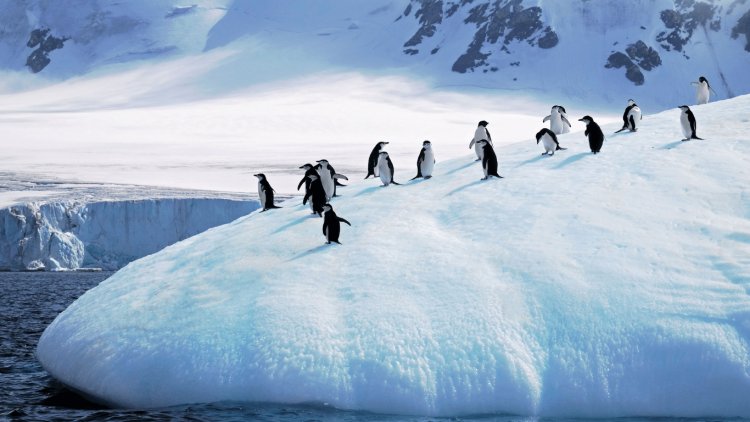
In one of the most remote and fragile ecosystems on Earth, a new crisis is unfolding that could have devastating consequences for millions of penguins. As a massive iceberg drifts dangerously close to an Antarctic island, these beloved creatures find themselves at risk, facing an uncertain future. The iceberg, which is one of the largest to break off from the Antarctic ice shelf in recent years, poses a threat not just to the environment but to the delicate balance of life in this icy, isolated region. For the penguins of the island, this is more than just a natural event; it's a critical challenge that could disrupt their habitat and threaten their survival.
The Threat of the Iceberg
Icebergs are a natural part of the Antarctic ecosystem, but this particular iceberg is enormous, and its size makes it a unique threat. As it slowly drifts towards the island, the risk of it colliding with the shore grows, which could lead to the destruction of vital habitats for penguins and other wildlife. The penguins rely on the island's shores for breeding, nesting, and feeding. Should the iceberg get too close, it could block access to essential areas, making it difficult for the penguins to find food and breed properly.
What’s more, the iceberg could change the surrounding water currents, disrupting the delicate food web in the region. The penguins depend on a steady supply of fish and krill, and any disruption to this supply could have disastrous consequences for their populations.
The Impact on Penguin Colonies
The penguin colonies on the island are some of the largest in the world. Millions of these remarkable birds live and breed there, and their presence is a testament to the island's unique ecosystem. However, penguins, like all creatures, are vulnerable to changes in their environment. The sudden arrival of a massive iceberg could force them to abandon their nesting sites, leading to overcrowded conditions and a higher risk of disease. It could also result in a significant loss of life, especially if the penguins are unable to reach the water to feed or if the iceberg causes breeding failures.
The impact doesn’t end with the penguins. The entire ecosystem of the island could be affected, from the tiny plankton that thrive in the waters to the larger predators that rely on the penguins as a food source. The ripple effect could be devastating, not just for the penguins, but for an entire network of life that relies on the stability of this region.
What Can Be Done?
At present, the iceberg’s approach is being closely monitored by scientists who are working to understand its path and the potential effects it could have on the island’s ecosystem. While there is no way to stop the iceberg, there are steps that can be taken to mitigate the impact on the penguin populations. Conservation efforts focused on preserving penguin habitats, including creating safe breeding areas and helping penguin colonies find new nesting sites, are more important than ever.
Moreover, the iceberg’s arrival highlights the urgent need for global action to combat climate change. The warming of the planet is contributing to the breaking off of massive icebergs from Antarctica’s ice shelves, and as the planet continues to warm, these events are likely to become more frequent. By addressing the root cause of these changes, we can help preserve not just penguins, but the entire planet’s biodiversity.
A Wake-Up Call
The impending threat of this iceberg is a stark reminder of the fragility of the world’s ecosystems. While many of us may feel disconnected from the icy shores of Antarctica, the truth is that what happens in one part of the world can have far-reaching effects. The penguins and other creatures living on these remote islands are vulnerable to forces much larger than themselves. They are part of the intricate web of life on Earth, and their survival is intertwined with the health of the planet.
As we continue to witness the effects of climate change, we must remember that it is not just human life that is at risk, but the countless other species with whom we share this planet. The penguins’ struggle is a reminder that we must act now to protect the environment and ensure a sustainable future for all.
Conclusion
The iceberg’s approach is a powerful reminder of the challenges that wildlife faces in a rapidly changing world. For millions of penguins, this event could spell disaster unless immediate action is taken to protect their habitat. The world must come together to address the environmental issues that are threatening not only the penguins but countless other species around the globe. Only by recognizing the urgency of the situation and taking action can we ensure that these remarkable creatures have a future on Earth.
Let us not forget that the health of our planet is directly linked to the health of its inhabitants, both human and animal alike. It’s time to act before it’s too late.
What's Your Reaction?